Intrinsic Value
The metal is worth something before you have sold anything. That is a floor under your pricing that no amount of marketing can give a plated piece.

Solid 9K to 18K in yellow, white and rose — cast, set and finished in our own factory. Transparent gold-linked pricing, from first sample to repeat production.
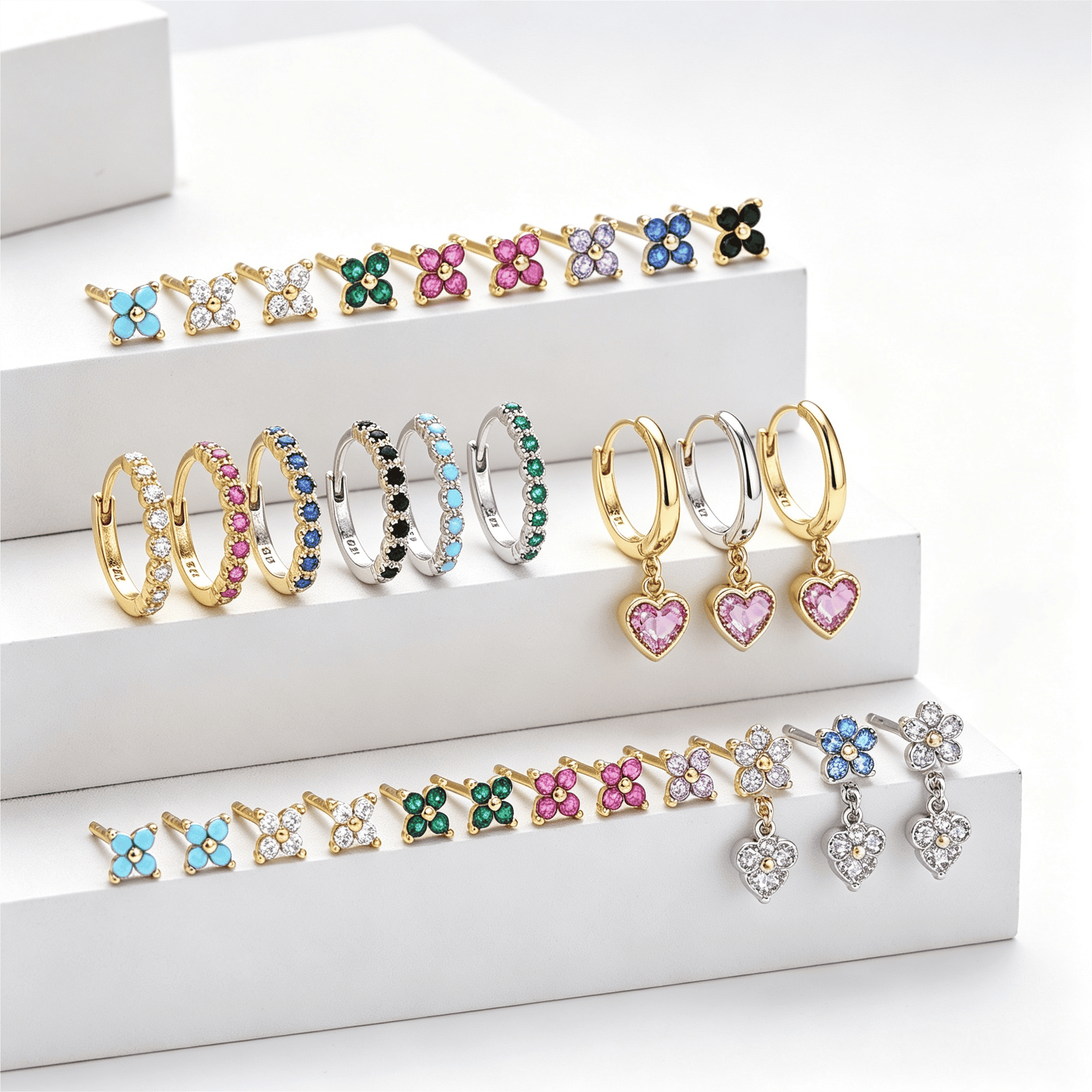
That is what 18K means, and it is stamped 750. We also cast 9K, 10K and 14K in yellow, white and rose for brands selling into different markets.
The metal is worth something before you have sold anything. That is a floor under your pricing that no amount of marketing can give a plated piece.
There is no plating layer, so there is nothing to thin, scratch through or turn. The returns that come from "it changed color after three months" do not exist in this category.
Solid gold moves your collection into the fine jewelry bracket. Same design, same factory — a different order of magnitude on the price tag.
Pieces that do not sell still hold their metal. Gold can be melted and recast into next season's design — the inventory risk on a solid gold line is structurally lower.
14K sells in the US, 18K across Europe, higher again in the Middle East. Pick the karat your buyers expect rather than the one that fits the budget.
So a fixed price on a website would be out of date before you read it. We quote the metal against the day's rate and keep everything else fixed.
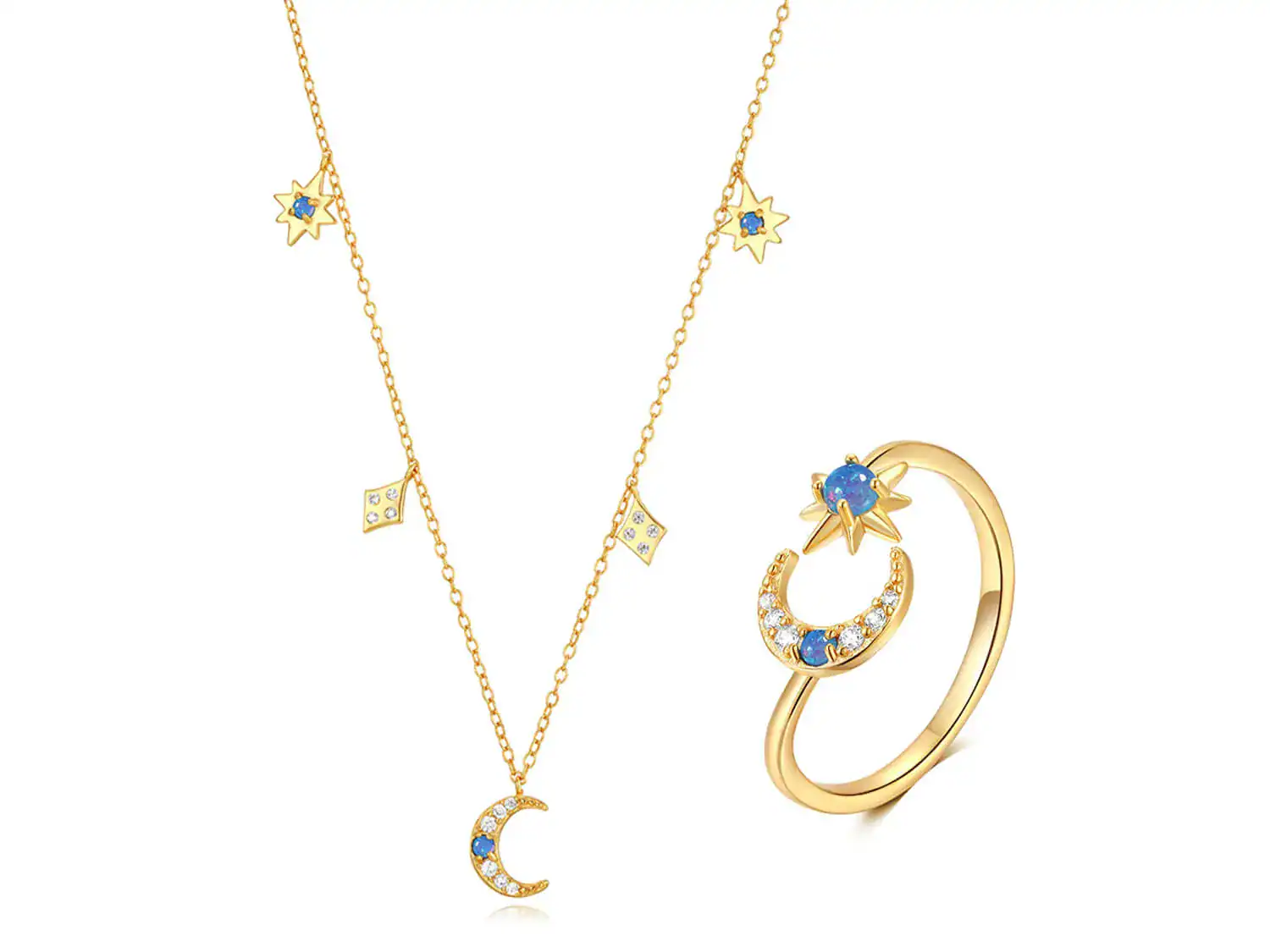
Opal, turquoise and moonstone set into star, moon and planet forms — the steadiest repeat seller in fashion-fine gold.
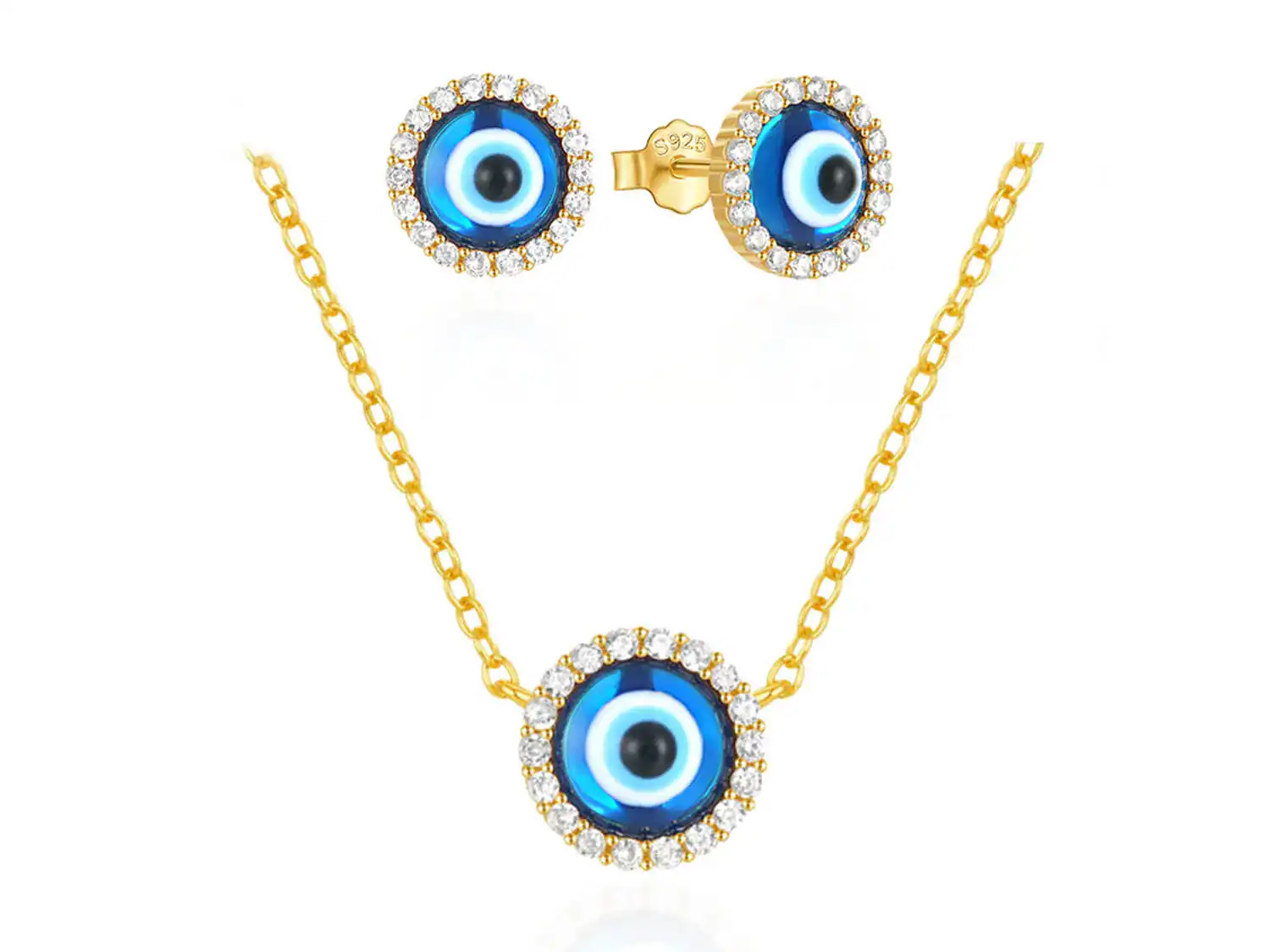
Evil eye, clover and heart motifs in enamel, turquoise and solid gold. Gift-driven, and they sell year round rather than by season.
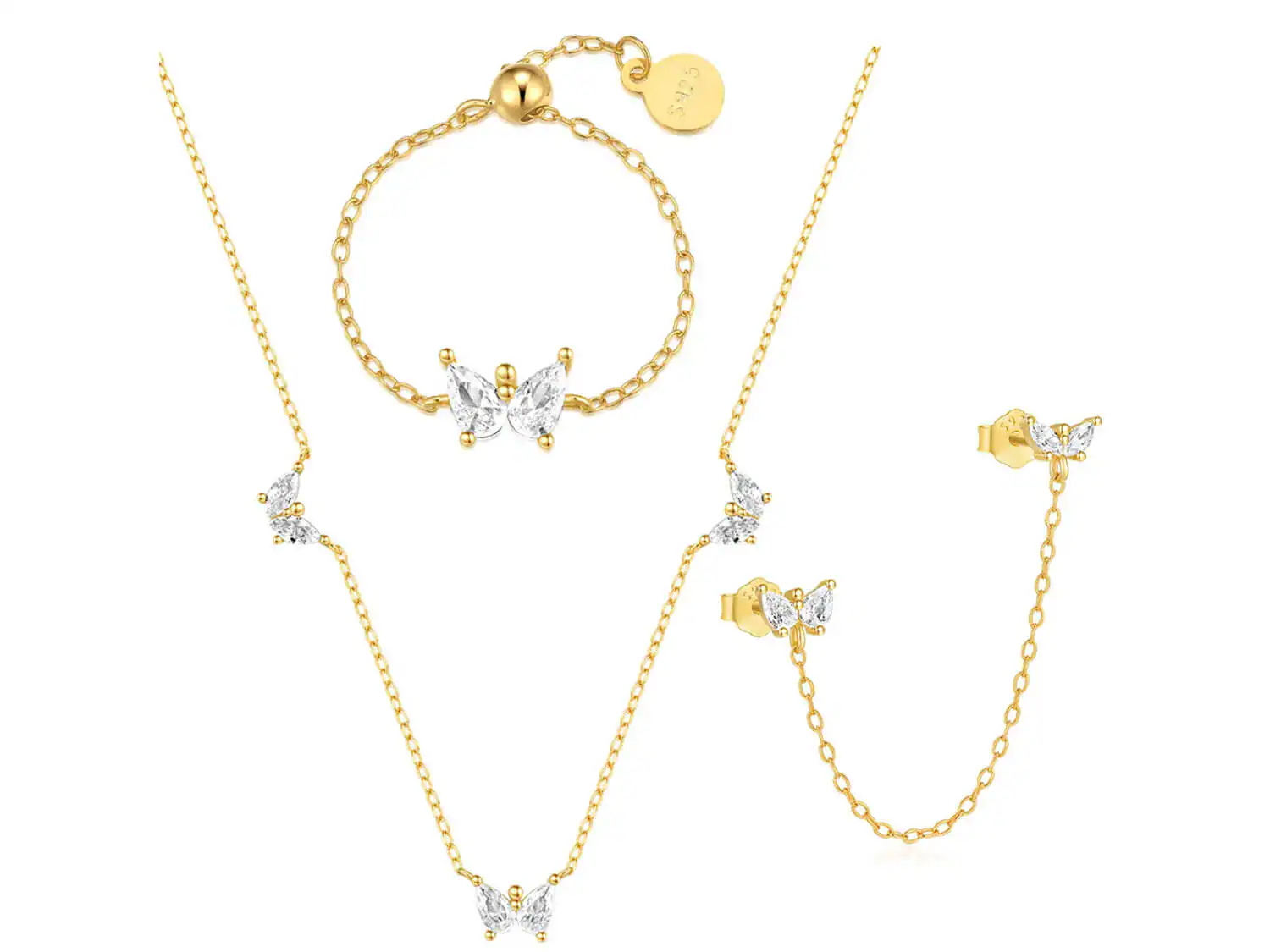
Pave daisies, marquise leaves and butterfly wings. Detail-heavy shapes that show what the casting and setting benches can hold.
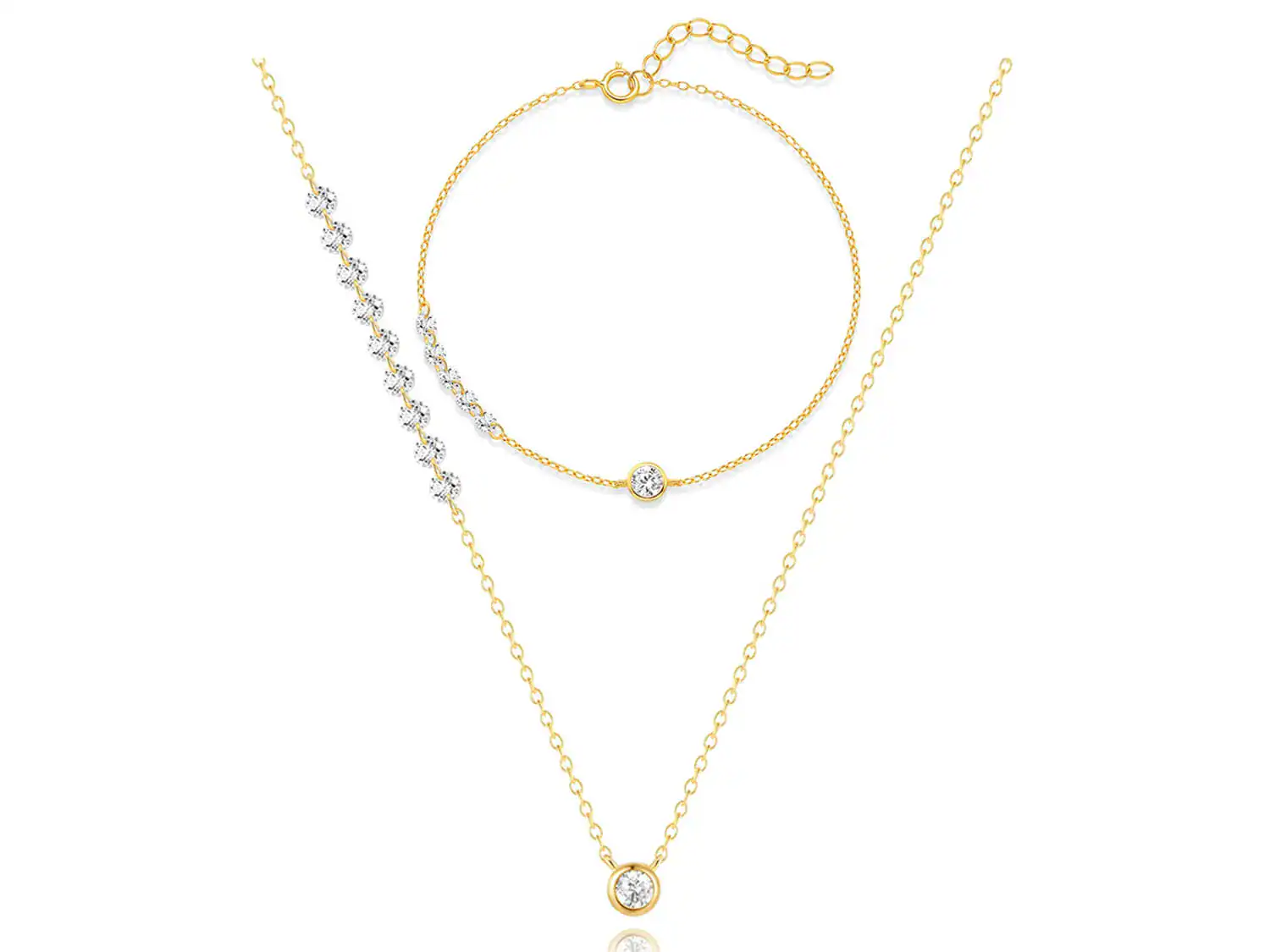
The settings that carry a fine jewelry line: prong solitaires, halos, drops and adjustable lariats. Stone size and cut are yours to specify.
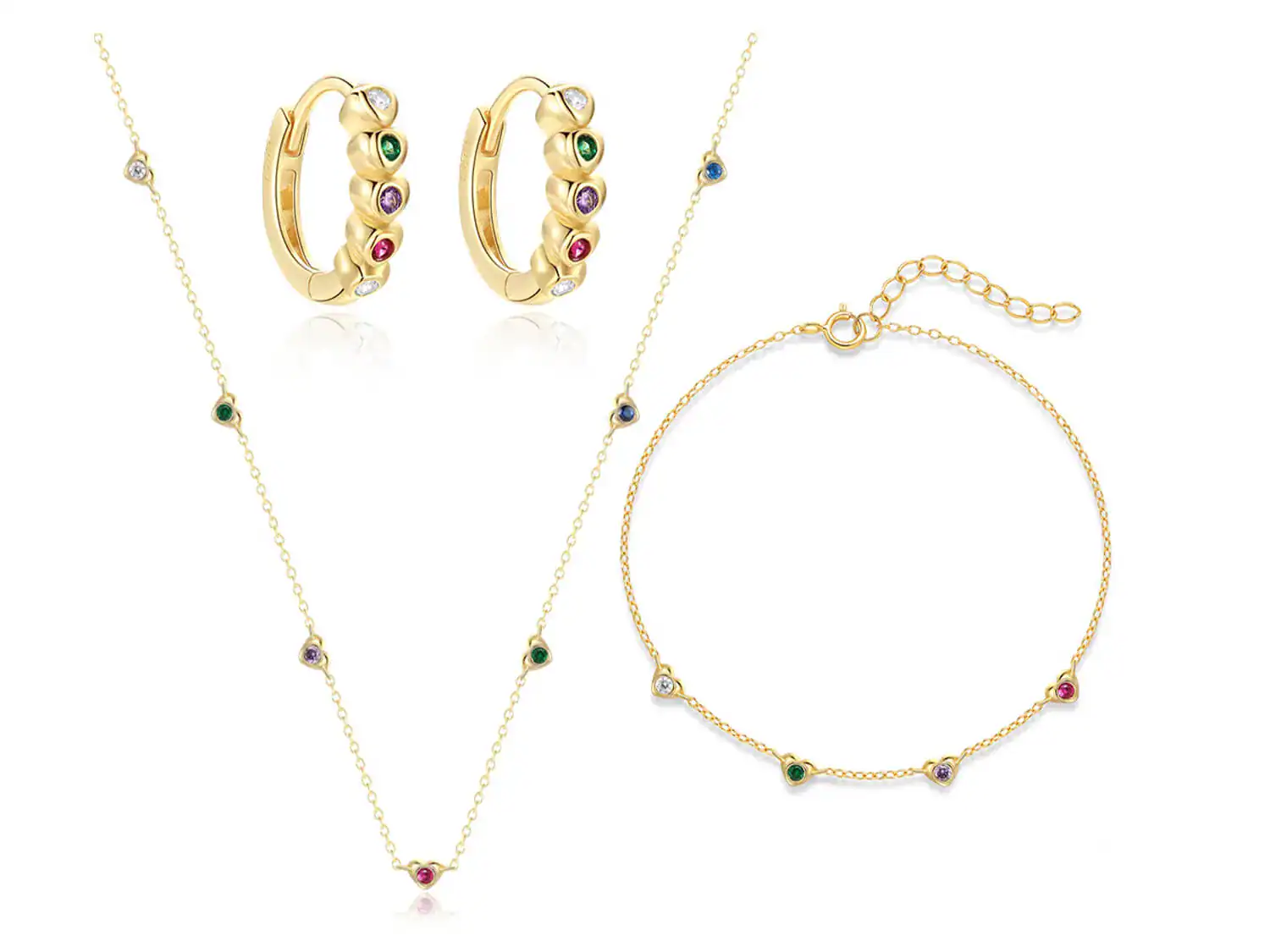
Blue topaz, ruby and multicolour CZ for brands building a seasonal colour story. Stone colours are matched by lot so a reorder still lines up.
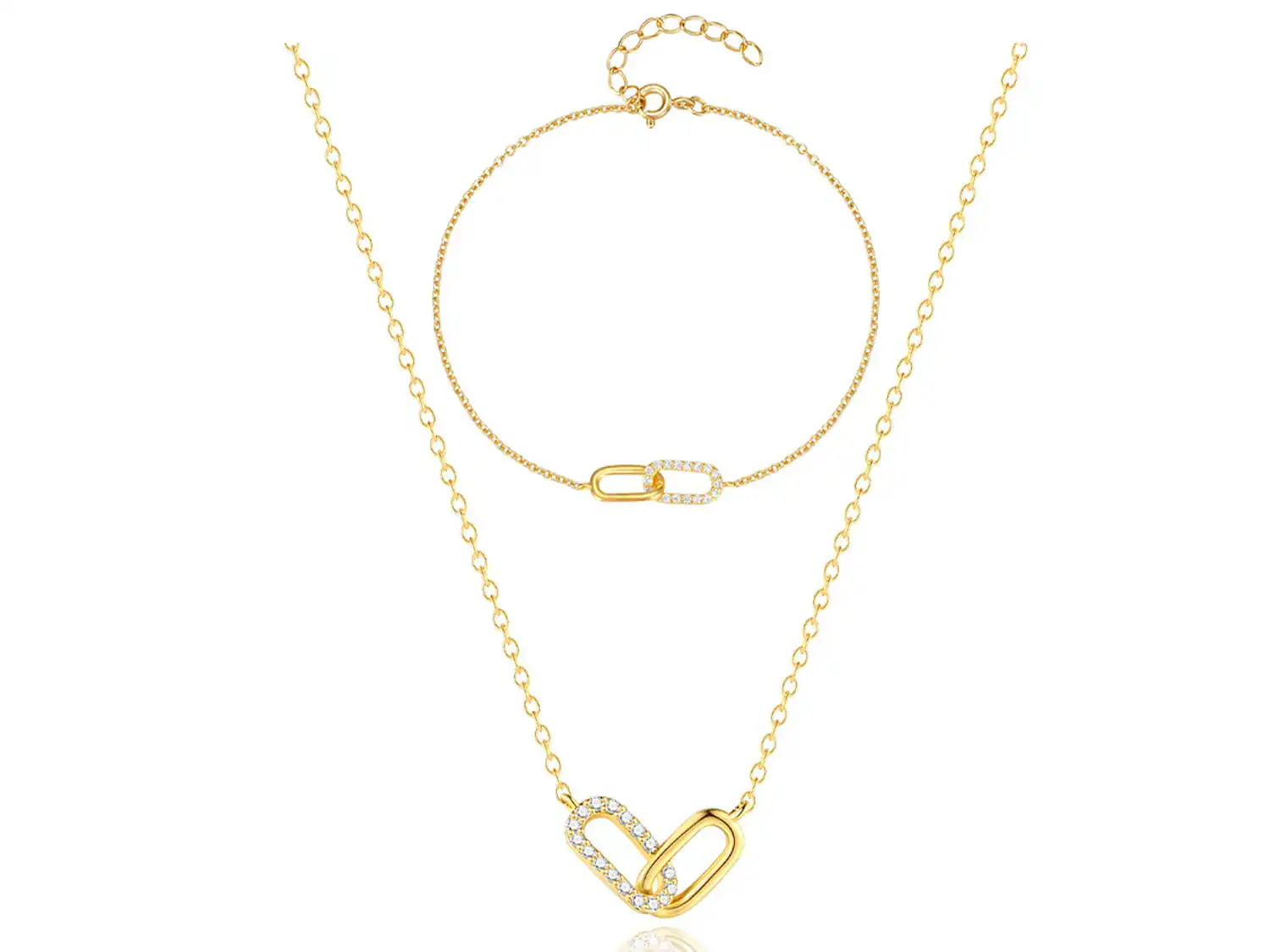
Paperclip links, hand-strung opal beads and sculpted bows — worn on their own or used as the base a pendant hangs from.
Swap the stone, change the karat, resize the piece, or split a set into single SKUs. Adapting an existing style costs far less than tooling a new one, and it reaches sampling faster.
A gold enquiry needs one thing a silver enquiry does not: a target weight, or a target cost per piece. Give us either and we can work the rest backward — karat, thickness, stone size and finish all follow from it.
The more of these you can give us, the closer the first number will be to the final one — and the fewer rounds it takes to get there.
Gold with copper and silver. The reference colour for fine jewelry, and the one most markets picture when they say gold.
Alloyed with palladium, then rhodium plated for a true white. The plating wears — see the note below.
Higher copper content. The tone shifts with the ratio, so we can go soft blush or deep red on request.
Mirror surface. Shows every stone and every line, but also shows fine scratches sooner.
Soft low-glare surface. Hides daily wear better than polish and reads more contemporary.
Directional grain. Works well on wide bands, bar pendants and anywhere a flat plane needs texture.
Fine frosted texture. Strong contrast when paired with polished edges on the same piece.
Hand-worked dimples. Every piece varies slightly — that is the point, and worth saying on the product page.
| Karat | Sells Into | What to Know Before You Commit |
|---|---|---|
| 9K | Entry price points, UK and parts of Europe | 37.5% gold. The hardest and most scratch-resistant, but the palest in colour. Not accepted as gold in every market — check before you commit. |
| 10K | Entry lines for the US | 41.7% gold. Durable for daily wear and common in the US; several European markets will not take it. |
| 14K | The US mainstream | 58.5% gold. The balance point between hardness and colour, and the biggest-selling karat in the US by a wide margin. |
| 18K | Europe, the Middle East and premium lines | 75% gold. The richest colour and the standard for fine jewelry, though softer — worth accounting for in thin or high-wear designs. |
| White Gold (any karat) | Any line that wants a white metal | White is an alloy plus rhodium plating, not a karat. The colour underneath is warm grey, so re-plating is part of owning it. |
White gold is a warm grey alloy finished with rhodium. That layer wears through in roughly one to two years of daily wear and the warmth comes back — normal, and reversible with a re-plate. Brands that print this on the care card get a service request. Brands that stay quiet get a customer who thinks the piece was fake.
| Line Item | With Gold? | How It Is Set |
|---|---|---|
| Gold metal | Moves | Gram weight multiplied by the rate on the day we quote. We state the rate we used, so you can check it against the market yourself. |
| Labour | Fixed | Set per style once the sample is approved. Your first order and your fifth are the same number. |
| Stones | Fixed | Set per stone specification — type, size, cut and count. Changing the spec changes the line; gold moving does not. |
| Finishing & hallmark | Fixed | Polishing, plating where applicable, stamping and your maker's mark. Priced per style, not per order. |
| Packaging | Fixed | Cards, pouches, boxes and inserts. Quoted separately so you can see what the presentation actually costs. |
Each quote states the gold rate it was built on and how long it holds. Past that window we requote — and only the metal line changes.
Once your deposit is received, the gold rate on that order is fixed — whatever the market does between then and delivery is ours to carry, not yours.
75% pure gold, alloyed with other metals for strength, and stamped 750. The remaining 25% is what makes the colour — copper for rose, palladium for white.
We split the quote. The metal line is gram weight multiplied by the rate on the day, and every other line — labour, stones, finishing, packaging — is fixed. Your deposit locks the rate for that order.
It follows your market more than your budget. 14K is the mainstream in the US, 18K across Europe and the Middle East, 9K in the UK and some entry lines. Several markets will not accept 9K or 10K as gold at all.
White gold is a warm grey alloy finished with rhodium plating. That layer wears through in roughly one to two years of daily wear. It is normal, it is reversible with a re-plate, and it is worth putting on your care card.
Yes — casting, filing and polishing all remove metal, and on a gold order that loss is real cost. We state the loss allowance in the quote rather than burying it, so you can compare our number against anyone else's on the same basis.
Talk to us before you plan around it. It works for some projects and not others, and the answer depends on form, purity and quantity — better settled at enquiry stage than after the metal has shipped.
Yes. We stamp to the karat standard your market expects, and your own maker's mark or logo can sit alongside it — placed where wear will not rub it off.
Usually lower than buyers expect, because gold runs are smaller than plated ones by nature. Send the design and the karat and we will give you the realistic minimum for that specific piece.
Sampling, hallmarking, stone setting and repeat production all happen on our own floor. Packaging, private label details and the full sampling process work the same way across every material — see custom jewelry manufacturing for how that runs.
— CUSTOM JEWELRY INQUIRY —
Share your requirements and our team will respond within 24 hours.